
How to Finance a Tiny Home as an Investment Property
How to Finance a Tiny Home as an Investment Property
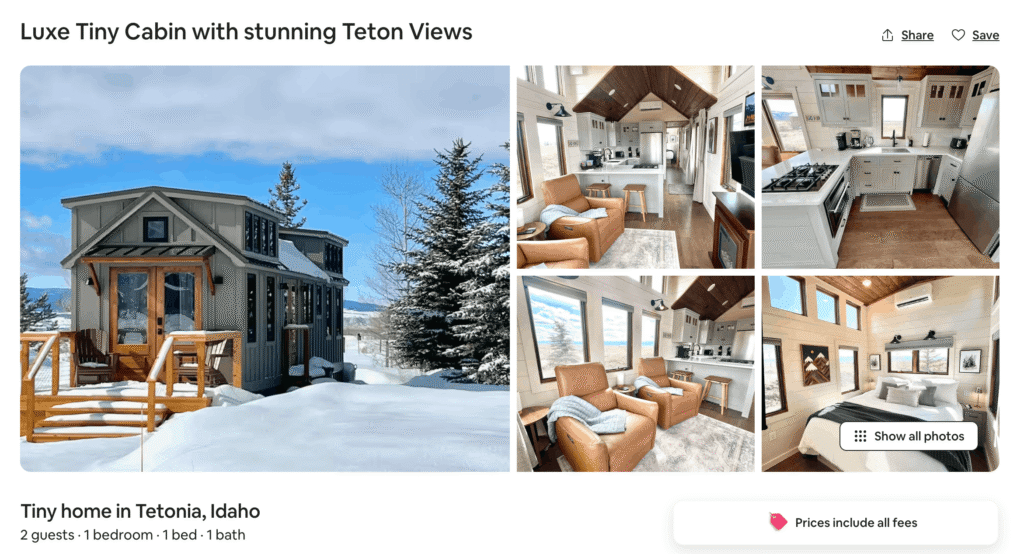
Tiny homes have quickly become one of the most dynamic segments in real estate investing. As more people seek flexible, affordable, and eco-conscious housing, the market for tiny homes continues to expand, especially in the short-term rental and vacation space. Investors are taking note, as tiny homes can provide strong returns with lower entry costs than traditional properties. But financing one, particularly as an investment, requires a creative and strategic approach.
This guide explores the different ways to finance a tiny home intended for investment use, with a special look at alternative financing options and how to choose the right lender or builder.
Understanding the Appeal of Tiny Home Investments
The draw of tiny homes as investments comes down to a few key advantages:
Low capital requirements: Tiny homes typically cost between $75,000 and $175,000, far less than standard residential properties.
High ROI potential: In the right location, rental income from a tiny home can rival or exceed that of a traditional property.
Mobility and flexibility: Many tiny homes are on wheels, making it easier to relocate them to high-demand areas or use them seasonally.
Low maintenance: Smaller spaces mean reduced upkeep costs, both in materials and labor.
Additionally, tiny homes often attract environmentally conscious travelers or renters looking for a unique experience, making them an excellent fit for platforms like Airbnb and VRBO.
Challenges in Financing a Tiny Home
Despite their appeal, tiny homes present a few hurdles when it comes to financing, especially when used as investment properties:
Not always considered real estate: If the tiny home is on wheels or lacks a permanent foundation, many traditional mortgage lenders won’t classify it as real estate, making it ineligible for a standard home loan.
Loan size: Because the amounts needed are smaller, some banks or credit unions may not prioritize these loans.
Zoning and land use: Local regulations can complicate financing and insurance, particularly if the tiny home is used for short-term rentals.
For these reasons, investors often need to look beyond conventional home loans to fund their tiny home projects.
Traditional Financing Options for Tiny Homes
There are a few traditional pathways available for financing a tiny home, though they often depend on whether the home will be stationary or mobile:
Personal Loans
Unsecured personal loans are commonly used for tiny homes. These loans typically offer faster approval, flexible terms, and no requirement for collateral. However, interest rates can be higher compared to secured loans.
RV Loans
If the tiny home is built on a trailer and classified as an RV by the RV Industry Association (RVIA), it may qualify for an RV loan. These loans can offer more favorable terms, but the home must meet specific standards.
Home Equity Loans or HELOCs
For those who already own property, tapping into home equity through a loan or line of credit can be a practical way to finance a tiny home. This option is often preferred due to lower interest rates and longer repayment terms.
Construction Loans
If the tiny home is being built on a permanent foundation, some banks may offer a construction-to-permanent loan. This is more likely if the home will be legally recognized as a dwelling on residential land.
Alternative Financing Options for Tiny Homes
Given the limitations of traditional financing, many investors turn to more flexible, creative solutions to fund their tiny home ventures.
Hard Money Lending
Hard money lenders are private investors or companies that lend based on the value of an asset rather than the borrower’s creditworthiness. These loans can close quickly and are useful for tiny home buyers with bad credit or short-term needs such as construction or flipping.
Peer-to-Peer Lending
Online lending platforms allow individuals to borrow directly from other investors. Sites like Prosper or LendingClub provide access to unsecured loans that can be used for tiny home investments.
Business Loans
If you plan to rent out the tiny home, you may qualify for a small business loan, especially if you structure the investment as a formal entity (like an LLC). SBA microloans or online lenders can provide capital for these projects.
Working with the Right Builder
Partnering with an experienced builder can make a significant difference in your financing journey. Some builders maintain relationships with financing partners or may even offer their own financing options. Look for companies with a track record of helping investors and homeowners navigate zoning, loan requirements, and site planning.
One example is Timbercraft Tiny Homes, a nationally recognized tiny home manufacturer known for premium craftsmanship and design. Timbercraft’s homes are built to high standards, and their team frequently works with clients using a variety of financing approaches, whether the goal is personal use or turning the home into a cash-flowing asset.
Conclusion
Financing a tiny home as an investment property may not follow the same path as traditional real estate, but that doesn’t make it inaccessible. With a clear plan, a flexible mindset, and a willingness to explore alternative lending sources, investors can unlock the full potential of the booming tiny home market.
Tiny Home Tours: 260k Views a Climbing!
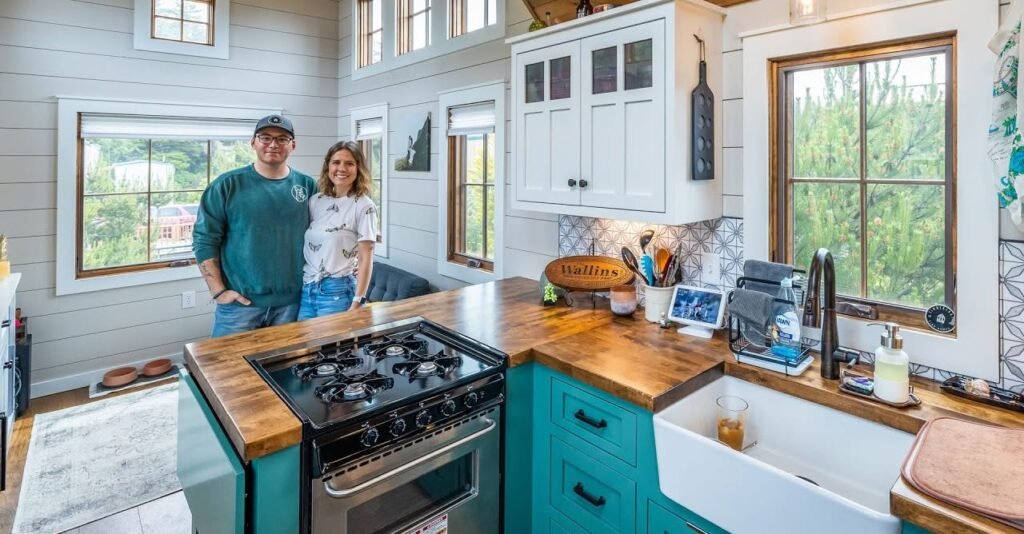
Join the Tiny Home Tours’ production team for an exclusive tour of Harrison and Brittney’s Timbercraft Tiny Home.
Watch the video here: Gorgeous 39-ft. Gooseneck Tiny Home – No Loft No Problem!
Tiny Home Tours: Almost 100k Views a Month!
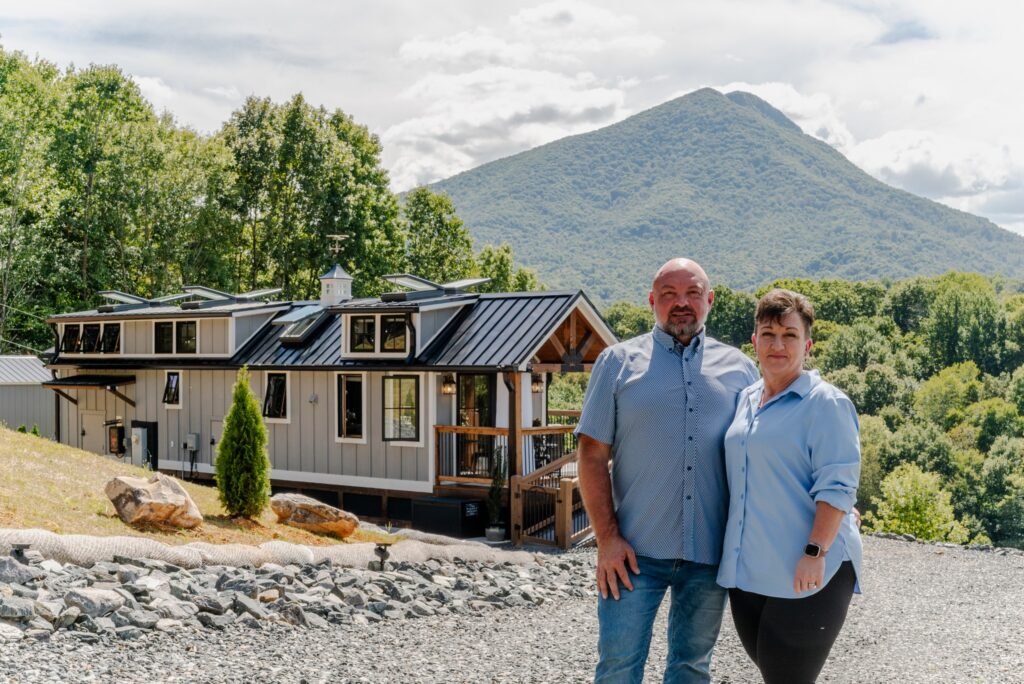
Join Tiny Home Tours’ production team for an exclusive tour of Dragonfly Cottage, a stunning and highly coveted Timbercraft Tiny Home.
Watch the video here: Our Custom Tiny House with Super Unique Design Features
Tiny Home Tours: 1.3 Million Views!
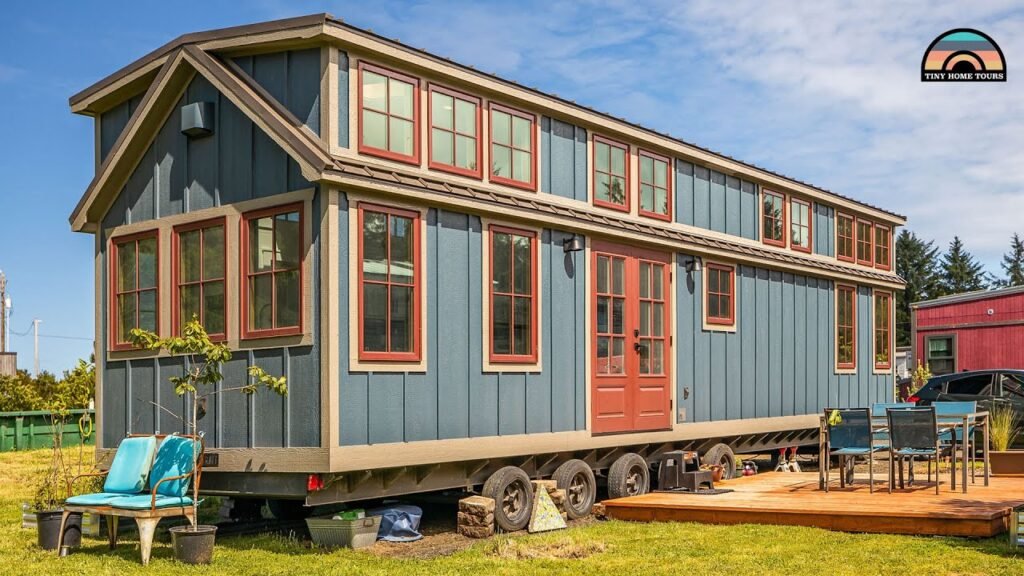
Come and join Janis and the production team from Tiny Home Tours as she takes you through their Timbercraft Tiny Home.
Watch the video here: One of a Kind Tiny House on the Beach w/ Downstairs Bedroom
Tiny House Living: check out the recent Redfin article we were featured in
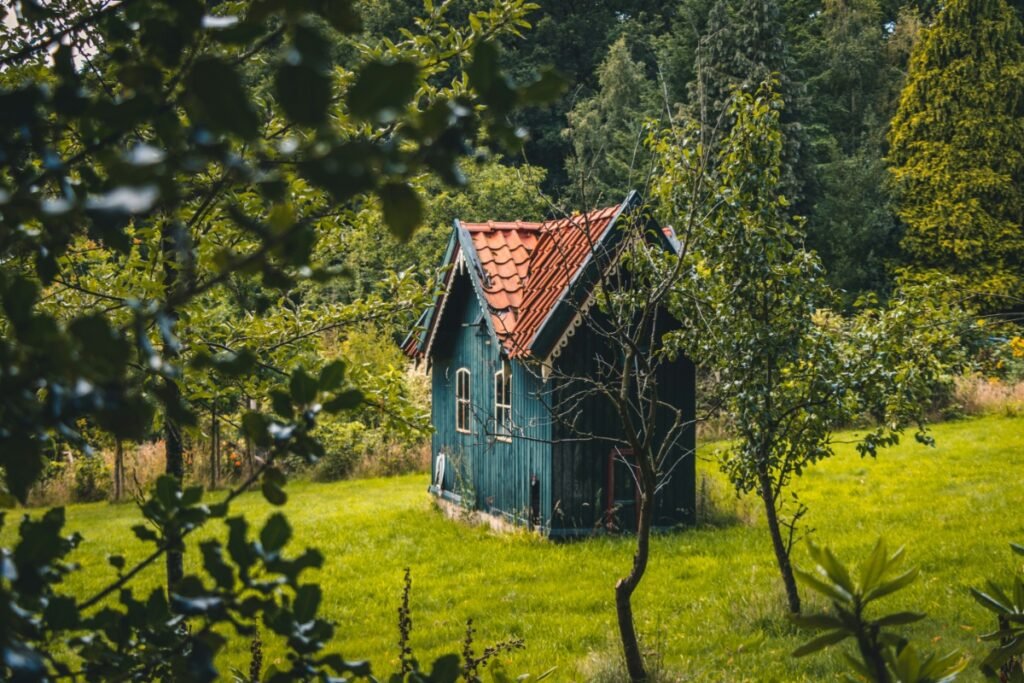
In this article, we will explore the art of tiny house living and how it can transform your life. So whether you live in an apartment in Los Angeles, a rental home in Evanston, or you’re considering buying a tiny home in Oregon, keep reading to learn more.
Read more here: Tiny House Living: The Future of Sustainable and Intentional Living | Rent | Apartment Guide
Check out the new video on our channel!
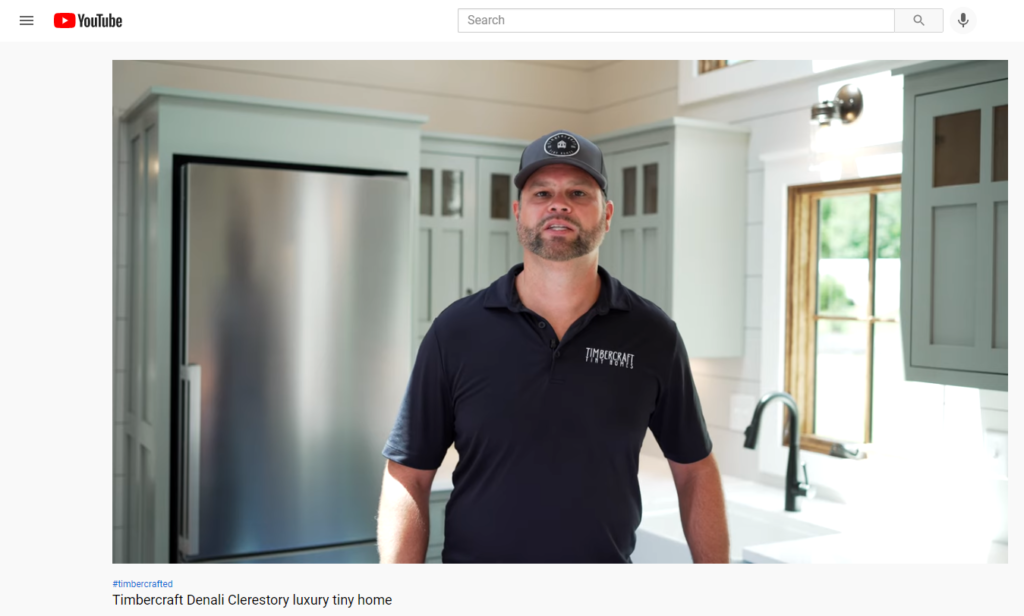
https://www.youtube.com/watch?v=tI0EgBXuAIE
NEW ATLAS: Enormous tiny houses that push the boundaries of small living
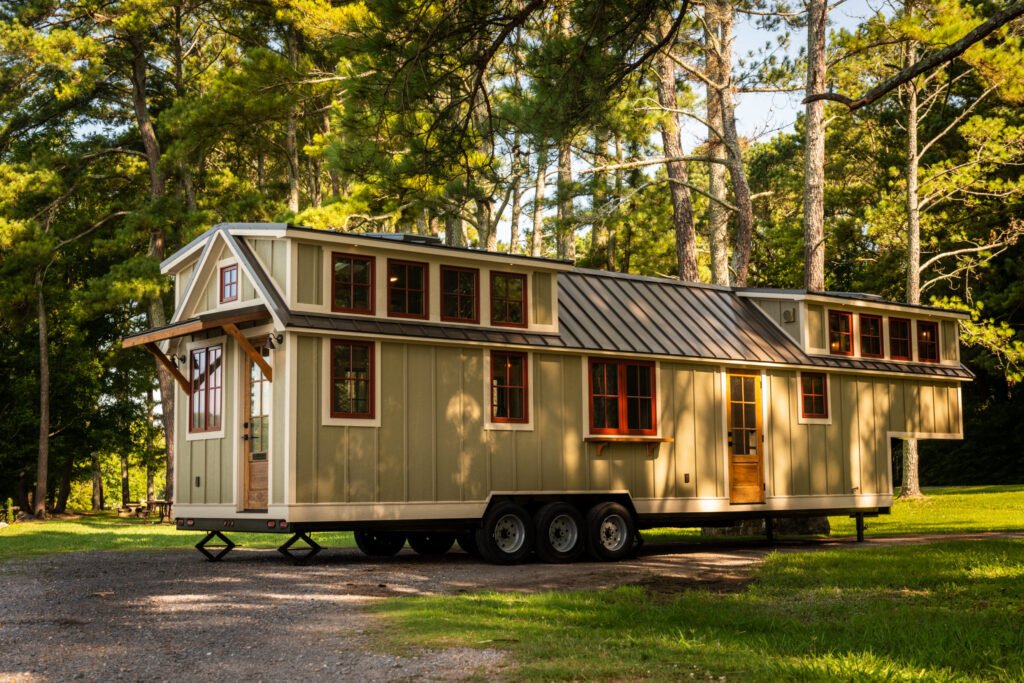
The Denali XL has a total length of 42 ft (12.8 m)
Timbercraft Tiny Homes
Alabama firm Timbercraft Tiny Homes’ original Denali was already a sizable tiny house in its own right, but was made even bigger with the release of the Denali XL. It has a length of 42 ft (12.8 m) and has an attractive cottage-like exterior, with board and batten siding, a seam metal roof, and two doors.
The interior continues the rustic styling and is finished in shiplap walls, stained-wood ceilings, and hardwood floors. Much of the available floorspace is taken up by a large living room with a high ceiling, as well as an adjacent kitchen area containing full-size appliances and a trash compactor and dishwasher. There’s just one bedroom, though it’s a spacious example that fits a storage-integrated king-sized bed, and is located up in the raised gooseneck area of the trailer.
Read more here: NEW ATLAS
Beautiful Ridgewood model just completed
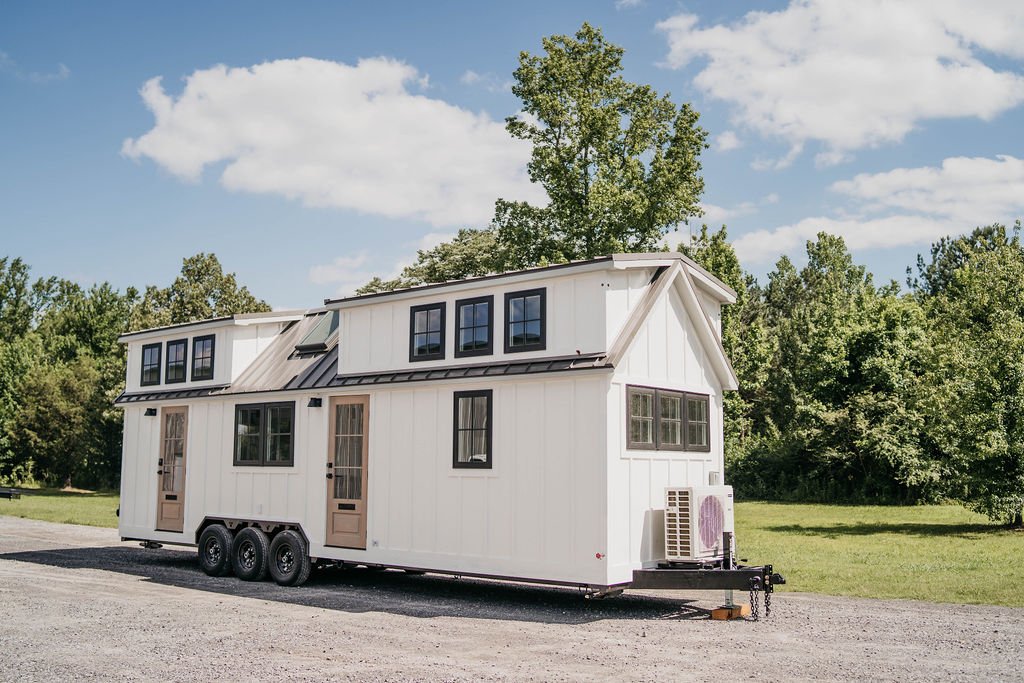
Check out this 32 foot bumper pull Ridgewood tiny home. At 265 sq ft with available double lofts it makes great use of the space. We love the stain and paint colors these clients chose! Check out more in the GALLERY
Check out this video of a beautiful Denali by Tiny Home Tours!
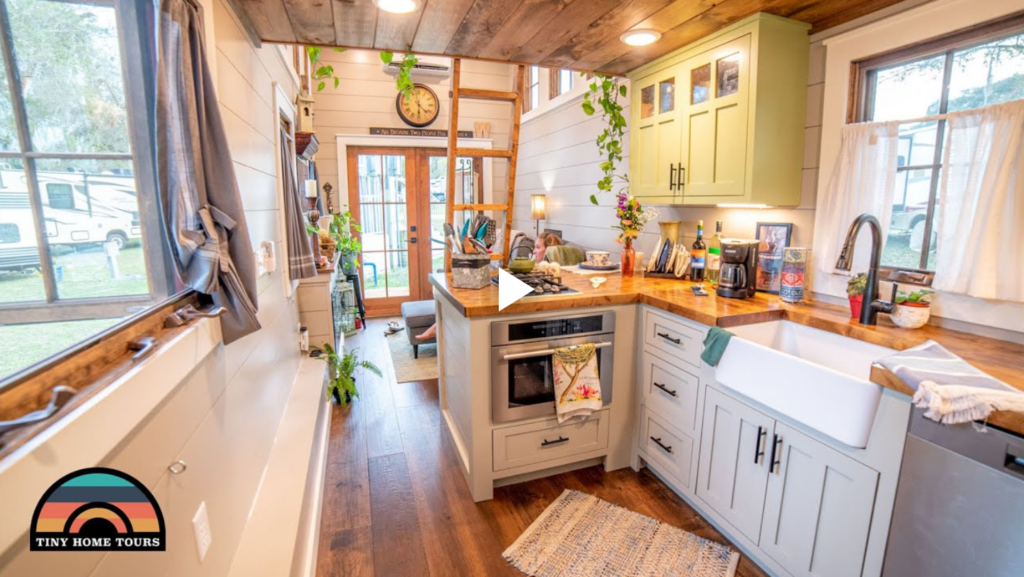
https://youtu.be/n6EREEEkJeM
Timbercraft Denali gets craned over a home into the backyard
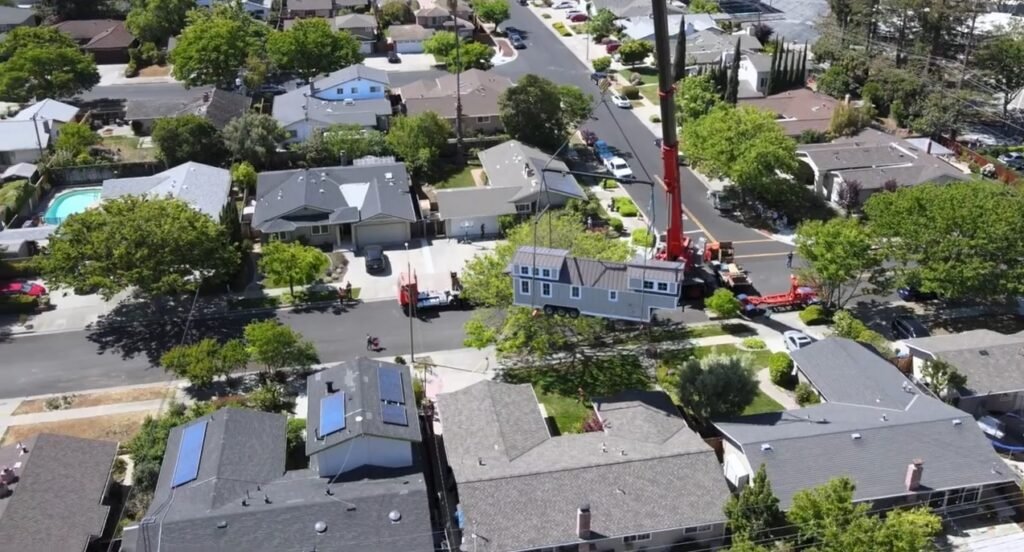
When you need an in-law suite but your backyard is too tiny for even a tiny home delivery you just hire a crane! Check it out!
https://youtu.be/uSHP62AzE-A