
UPDATE-SOLD-2019 Timbercraft Denali FOR SALE
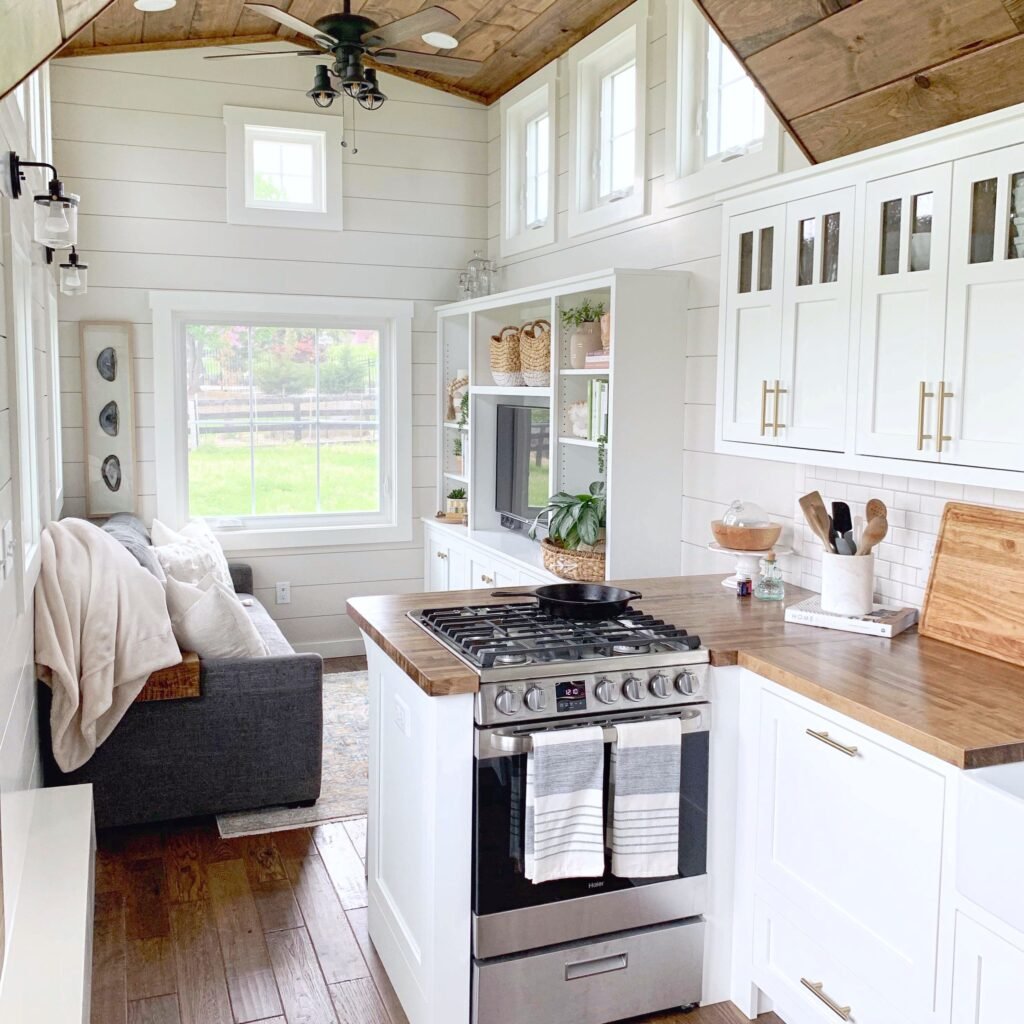
Now offering a 2019 Timbercraft Denali 39ft custom tiny home! This home is less than 6 months old and priced for a quick sale. Considering the 8-9 month waiting period for our build to order homes this is an excellent opportunity to get your Denali today. This custom home features a lot of upgrades and options. Send all inquiries to doug@timbercrafttinyhomes.com.
Features include:
Crate & Barrel Reston Sleeper Sofa retail $2500,
Summit refrigerator,
Haier 24” range,
Fisher Paykel Panel Ready Drawer Dishwasher,
LG washer/dryer combo,
Custom built ins with adjustable shelving,
TV and sound bar mounted in built ins,
4×4 picture window,
Custom made railing,
Custom light fixtures,
LED recessed lighting in each room,
Ceiling fan in living room,
Storage under the stairs,
Drawers under bed,
Deep storage for seasonal items or heirlooms under mattress,
Fan on humidistat in bathroom,
Utility storage area under gooseneck,
Two Blueridge mini splits,
White oak floors,
Custom butcher block counter tops,
Fold down bar, great for entertaining or a desk surface to work on,
Deep spice drawer,
Custom Steady Fast stabilization system added to the frame,
300 square feet not including the loft closet that stretches from the bedroom and above the entire bathroom (8 feet deep),
Wheel Covers,
Custom tiling in bathroom,
Glass shower door,
Grey water tank,
Cable hook up,
50amp hookup,
Water hookup
Check out the newest option at Timbercraft: TV Cabinet lifts!
From tvliftcabinet.com the hidden TV lift! Have you ever wanted to watch TV in your bedroom, living room, etc. but not see it all the time? The TV lift from tvliftcabinet.com allows you to simply press a button on the remote and the TV lifts up silently and magically from beneath a hinged lid. After installing and using this TV lift we have to say it gets 5 stars! Give us a call to discuss this option in your #timbercrafted home! Stay tuned for a walk through video to see the TV lift in action.
Have you been to a UTHA Tiny house Festival?
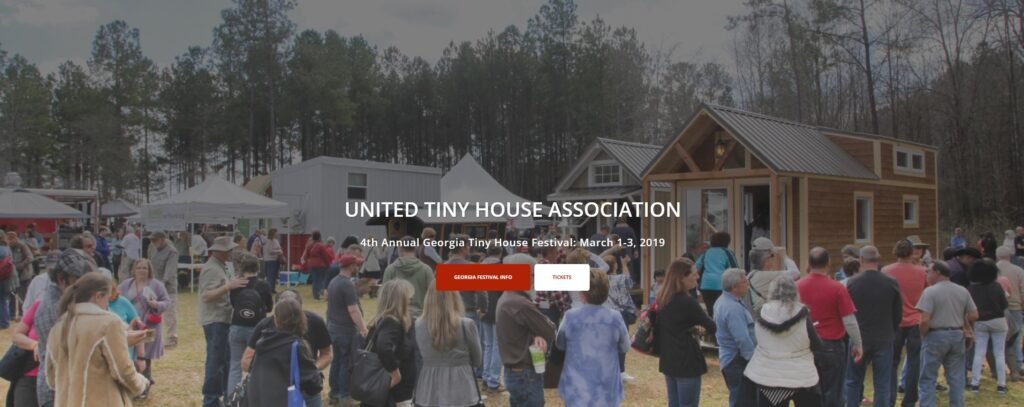
The United Tiny House Association and Georgia Tiny House Festival LLC, originally the Georgia Tiny House Association, was founded in 2015 by John and Fin Kernohan as an organization for the advocacy and support of the tiny house movement and for those individuals either living the tiny house dream, desiring to start their own tiny house journey, or those simply interested in what all the excitement and buzz is all about in regards to tiny houses and the tiny house movement.
Within 2 years of being formed, the United Tiny House Association has grown to be the largest tiny house support organization in the entire World with over 32K (32,000+) members!
The Kernohans have been living in their self-built 304sqft tiny house, known as Beloved Cabin, since December 2011. They currently reside on their small homestead in the woods of Georgia, where they have embraced solar energy, rain water collection, raise chickens, and grown their own vegetables and fruits. Fin is a vegetarian and fitness expert, while John is the handyman of the property and an avid outdoorsman, where he fills the freezer with fresh game (much to Fin’s despair).
After years of organizing not-for-profit outdoor concerts and festivals as fundraisers for students and college-bound homeschool students, as well as being a board member for an organization responsible for arguably the largest home-education convention in the country, John, along with Fin and United Tiny House Association board member Shorty Robbins, created the state-level Tiny House Festivals, including the now famous Georgia Tiny House Festivals (2016, 2017 & 2018), and the 60K+ attendee & 116 tiny structures Florida Tiny House Festivals (2016 & 2017); as well as record-breaking for-charity tiny house festivals in DC/Virginia, Louisiana, Massachusetts, New Jersey, and Tennessee… as well as the Nation-Wide & historic TINY HOUSES across AMERICA!
The Tiny House Festivals from the United Tiny House Association embrace all modalities of tiny living, whether they are professional-built tiny homes, private-owned tiny houses, DIY structures, tree houses, skoolies (converted school buses), yurts, campers, gypsy wagons, or any other tiny structure someone calls home.
Also, all tiny house lifestyles are encouraged and supported. These include, but are not limited to off-grid living, on-grid living, wilderness living, and urban living.
Additionally, the United Tiny House Association’s Tiny House Festivals are designed to support local communities and charities, through the fundraising activities at its Tiny House Festivals and by means of giving charities and non-profit organizations a platform to share with others. To date, the United Tiny House Association has given away and donated over $500K from the proceeds of their for-charity tiny house festivals.
The United Tiny House Association, and its board members, speak at public events, meet with both local and National government officials, work with individuals one-on-one, and partner with other organizations in its efforts to bring both the tiny house community and those outside the tiny house community together in a common understanding of what being tiny is all about.
“Do something BIG in your world… by simply doing something TINY!” – John Kernohan, Chairman
Tiny House Building Codes: Top 5 Myths BUSTED By Ryan Mitchell
Tiny House Building Codes: Top 5 Myths BUSTED
It’s been a while since I did a post about how owners of tiny houses deal with building codes, but coding questions come up often. There’s more regulation on tiny houses and dwellings than you may think. In fact, understanding building codes, zoning, and regulation is one of the areas that really trip up new tiny homeowners when they first start out. So today I wanted to go over several of the questions and myths that arise with tiny house code compliance.
It seems there are a lot of tiny house building code misconceptions out there. Knowing how to navigate through the tiny house regulations and codes will help you avoid headaches later. So here are the top 5 myths about building codes, zoning, and tiny houses.
Tiny House Building Code Myth 1:
I don’t need a building permit if my tiny house is under ___ sq/ft.
This myth is true, but with caveats. Typically, if you’re building a structure under a certain square footage you don’t need to acquire a building permit. So do you need a permit to build a tiny house if it falls under that square footage? There’s a catch: the exception to the building permit rule is in the term “house.” When you want to dwell or live in the home it shifts from a tiny structure to a tiny house, and you run into building permit issues.
The second you place any personal property in your structure, your small house is classified as “dwelling.” Building regulations dictate it doesn’t matter if a dwelling is 10,000 square feet or 10 square feet, you need a permit to build a livable space. Tiny house laws by state vary, as do tiny house size requirements and limits…BUT if you plan to live in your house, you’re going to need a building permit.
Tiny House Building Code Myth 2:
My tiny home is an RV, mobile home or camper—No tiny dwelling code compliance is required!
Again, this tiny house myth is somewhat true… IF your tiny home is being built by a certified RV or mobile home manufacturer. It’s possible to live in a homemade trailer house, but to get around the building code compliance, you’ll need to become a certified manufacturer. To become a certified tiny home manufacturer, the certification will cost you several thousand dollars, require you get an LLC and go through a rigorous inspection process to ensure you meet all 500+ requirements.
So you can’t build a tiny homemade trailer house on wheels and say, “Look—I built an RV or mobile home.” To top it off once your dwelling has passed inspection to classify as a certified RV or mobile home, you can often only park and reside in specifically zoned areas, which are fast disappearing. There is an exception: if your state has a “home-built RV” classification, but these are few and far between and more and more campgrounds and trailer parks refuse entry for home-built RVs. As you see, the answer is more complex than simply saying RVs and mobile homes “don’t count” when it comes to tiny home building codes.
Tiny House Building Code Myth 3:
I will say I’m “camping” if any issues come up.
This tiny house coding myth is once again, somewhat true. You could, in theory, get around any regulatory issues by saying you were camping (which is allowed in dwellings regardless of coding compliance—like lean-tos, tents and pop up shelters).
Where the camping excuse runs into problems, is when you realize most municipalities have very specific limits on how long you can camp. The limit is often between 2-30 days in one spot or parcel of land, if camping is allowed at all. Typically, it’s limited to designated campsites. For example, in the city I live in, you aren’t legally allowed to camp at all unless FEMA has declared a state of emergency. In certain cases, you may get around the camp restriction if you move your tiny home every few days, depending on the camping laws. Then again, the city could also say, “You’re not camping, you’re dwelling in your tiny house,” and you’d face a big problem.
Tiny House Building Code Myth 4:
“They can’t stop me from building my tiny house! I’ll do what I want.”
In certain cities and states, you’re partially right. The question isn’t if they can or can’t stop you (they can). Your city inspectors won’t stop you unless your tiny house becomes a big public issue. If you don’t create too much buzz, or cause any complaints, they may turn a blind eye even if you don’t comply with building codes.
It’s important to note here that a city inspector holds all the power, if they decide they don’t want you in your tiny house, they can choose an array of legal justifications to enforce it. The saying is you can’t fight town hall, because they’re the final say on all things.
But not complying is certainly a risk. The truth of the matter is, in most places they can stop you. The city inspectors will come through and condemn your tiny house. What condemnation means, is if you enter your house, you could legally get arrested for being in your own home! The city regulators may also fine you for not complying with building codes. They may deny you utilities like they did to me (read about it here). In the worst cases, they may even run a bulldozer through your house to destroy it and tear it down. All of these actions they can legally do and have done. Worst of all you have no recourse for these actions, especially if your tiny house isn’t up to code. If you decide to risk it, it’s still important to learn and understand coding and zoning laws for your specific area. Then, if someone does complain or issues arise, you’ll be familiar with your rights.
Tiny House Building Code Myth 5:
My tiny house is on wheels, so codes and zoning regulations don’t apply.
The idea that wheels mean your tiny house is exempt from codes and zoning regulations is a big myth perpetrated by those who want to earn a quick buck off selling pre-made homes and plans to tiny house people.
It’s true, wheels will help your tiny house comply with loopholes and certain regulations, generally because it confuses the bureaucrats. There’s little official regulation out there specific to tiny home zoning. Plus, wheels mean your tiny home is easier to move, so there’s always the possibility of working around the regulations. But the hard truth is, the second you dwell in a structure it becomes a home, and when it comes to homes, all bets are off and the city will do what they want.
So what’s a tiny homeowner (or potential owner) to do?!?
It’s frustrating when you realize there are few ways (if any) to legally live in a tiny home. Even if your tiny home passes inspection, chances are high it’s technically still not legal in the full language of the law.
So, what’s your best approach to live in a tiny house? Well, there are two approaches: 1) Beat the city at their own game and know how to leverage the codes, 2) Roll the dice and try to fly under the radar.
Each of these approaches to living the tiny life, have their pros and cons. To get a better understanding of all aspects of building codes and tiny homes, I’ve created an eBook. This book will help you understand how to work within the system to gain legal status with your tiny house as much as possible. In the book, Cracking the Code: A Guide to Building Codes and Zoning for Tiny Houses, I’ll show you the key barriers faced by tiny house folks. I’ll offer possible solutions to overcome these common tiny house coding conundrums and issues.
In the book, I’ll also share with you a few strategies to help you beat the system. I’ll explain what you need to do if you choose to fly under the radar and how to live in your tiny house safely, without getting caught.
Whichever approach you choose to deal with the tiny house building code issues and regulations, both are covered in Cracking the Code: A Guide to Building Codes and Zoning for Tiny Houses. If you’re wondering how to understand codes and enjoy life in your tiny home hassle-free, you need this book!
Check out the entire article HERE and see the other great content Ryan puts out!
What to know about ADUs in Los Angeles
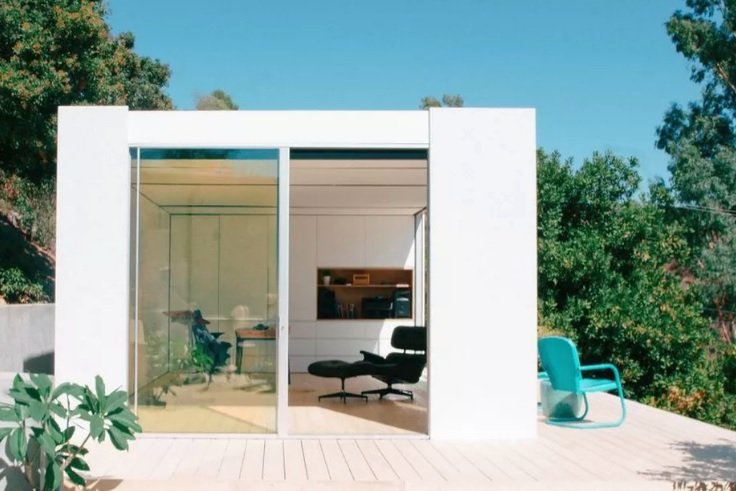
“Accessory dwelling unit” is a technical term for a granny flat, in-law unit, or other supplementary residence. Photo courtesyCover
Amid a profound housing shortage that’s driving up rents and property values statewide, California officials and real estate experts are looking to an often overlooked form of housing as a potential solution: the in-law unit.
Thousands of Angelenos already live in back houses and granny flats (officially called “accessory dwelling units”). New state policies passed in 2016 make construction of these small residences simpler.
ADUs can provide an easy source of rental income for homeowners and low-cost housing for renters. They also add manageable density to single-family areas where new apartment complexes would be difficult to construct.
But trying to build one isn’t necessarily easy, and navigating local rules regulating what is and what is not allowed on specific properties can be difficult, given that the state rules give local governments a lot of leeway to make their own regulations.
That’s why we’ve compiled a list of things to know about ADUs if you’re thinking of building one, moving into one, or both.
Tiny house zoning regulations: What you need to know, States with flexible building codes or zoning regulations
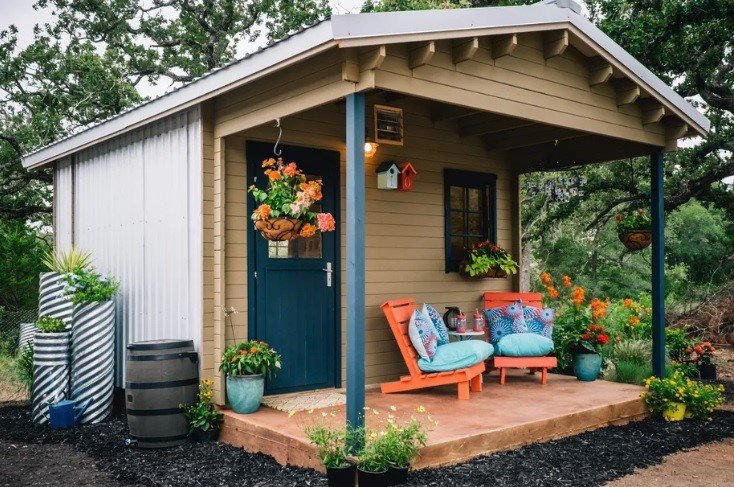
Despite the growing enthusiasm for tiny houses, it still isn’t easy to legally build them for full-time use. Zoning laws and building codes, by and large, require a minimum square footage for new-construction homes, and progress to reduce that square footage is slow.
“There are only a handful of cities across the country that directly address tiny houses,” says Alexis Stephens, the national coordinator for the Tiny House Association and the producer of Tiny House Expedition. Stephens is making a three-part documentary about living legally in a tiny home after she found that “there’s a lot of interest [in tiny living], but people are confused by the zoning codes and regulations, and feel intimidated to go to the city government.”
READ MORE: CURBED
How do you tow a tiny home? FAQ
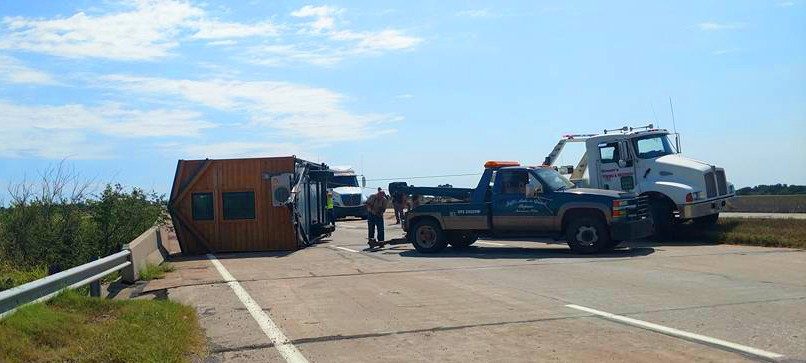
Some of the most common questions people ask once they see our homes and especially the Denali is “How do you tow it?” “Do you need a semi?” “How much does it weigh?” The Denali (our largest model) weighs about 19k-21k lbs depending on size and features. It is a big home and quite a substantial load to move. However it tows properly with a one ton pickup. We don’t recommend anything less for safe towing. We personally use a Ford F450 for all our towing and usually when problems occur (such as the tragedy pictured above) it is usually because of a number of things including too small of truck, inexperience, inadequate brakes, or road conditions. Check out this video and give us a call with any of your tiny house questions!
https://youtu.be/HDu9dZmSbO8?si=JNGaiyn5Rq-Vqm-g
Check out our YouTube channel!
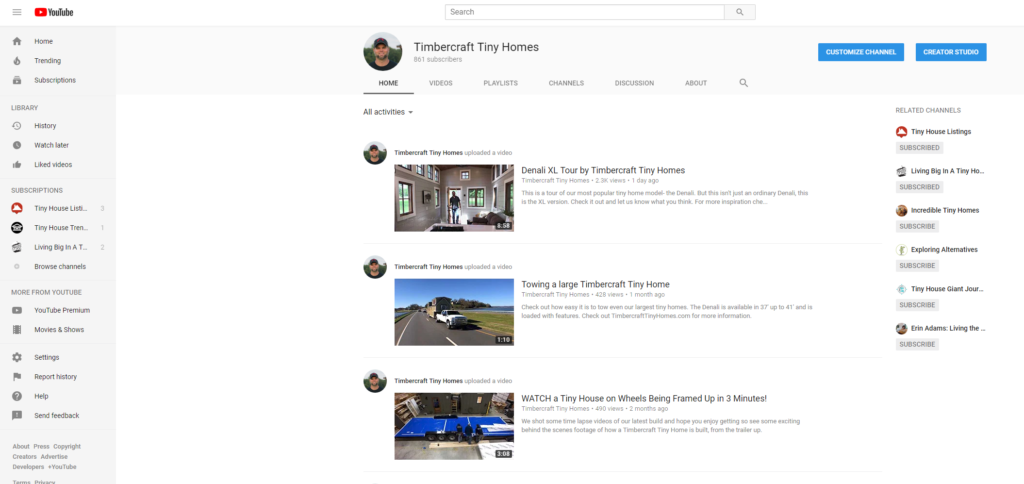
CHECK IT OUT HERE
Lonely Planet: Wake up to a new view each day with these stunning miniature houses
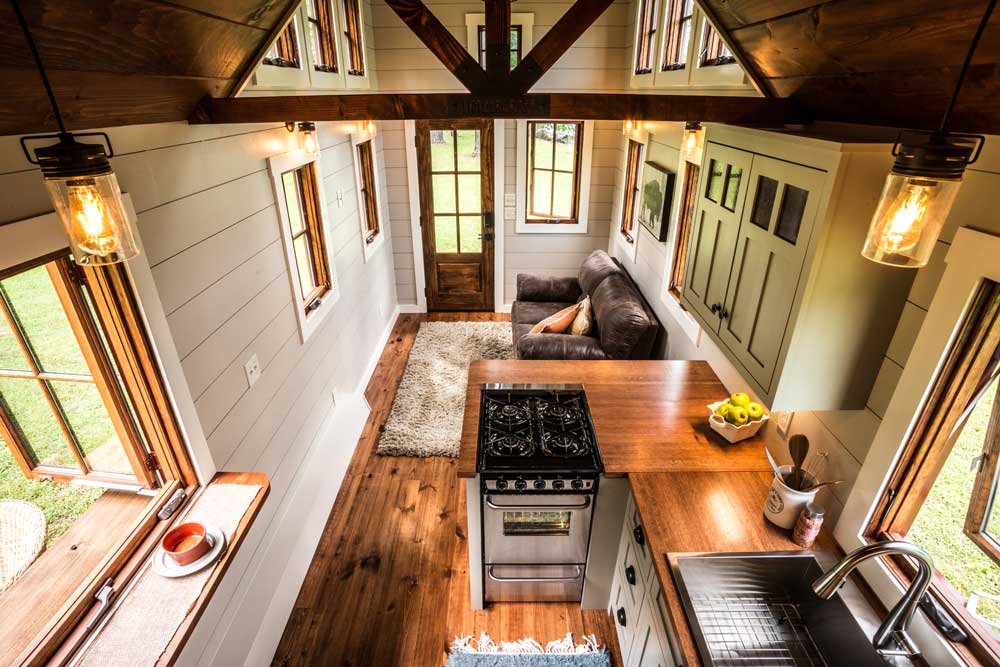
Wake up to a new view each day with these stunning miniature houses
Hitting the open road to take in the sights, sounds and smells of the countryside, waking up every day to a new breath-taking vista….or buying a cosy home to call your own. Why should you have to choose? That’s the idea behind Timbercraft Tiny Homes, an Alabama-based company that creates stunning miniature mobile houses that let you take your home on the road.
Timbercraft Tiny Homes are hand-crafted in Alabama. Image by Timbercraft Tiny Homes
“I have been in high end custom home building since 1995 and have done custom home design since 2002. When I learned about tiny homes, I really liked the concept and it was the perfect blend for my interests in quality construction and beautiful design. I enjoy designing custom creations and then putting it all together with the beautiful finished product,” Timbercraft Tiny Homes owner founder Doug Schroeder told Lonely Planet Travel News. Read more here: www.lonelyplanet.com
Timbercraft has not partnered with Everywhere Co.
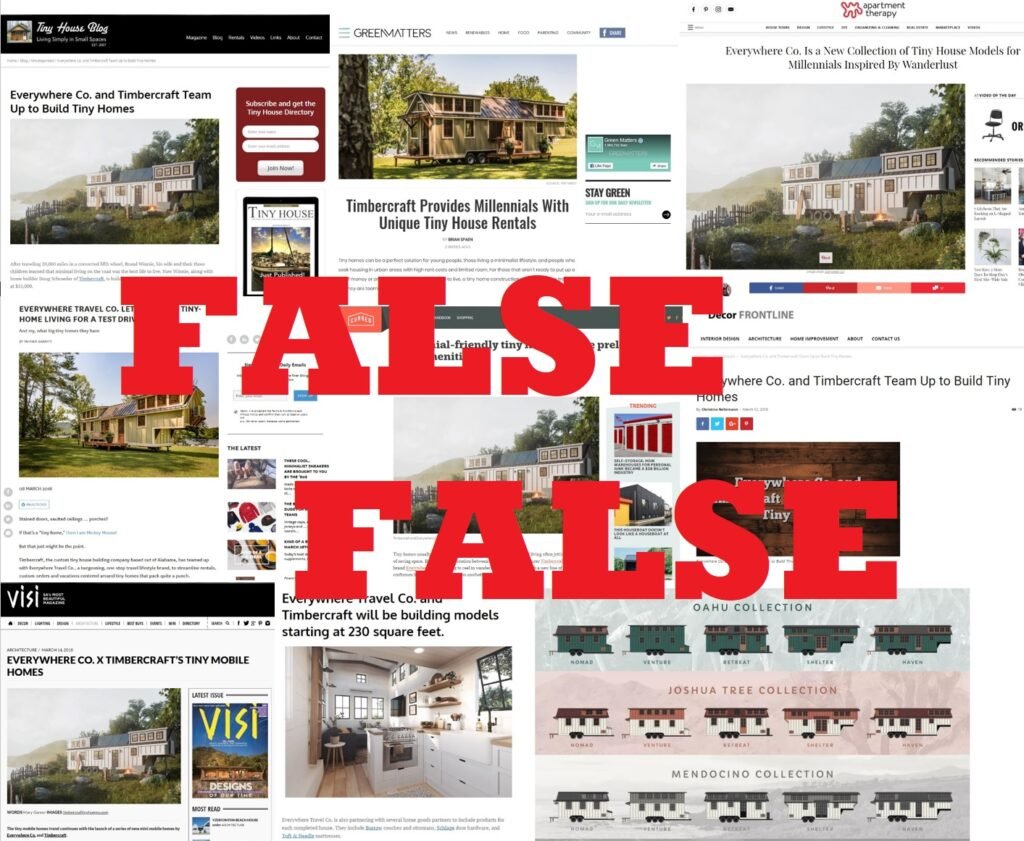
Unfortunately there has been a lot of false information in the press and on social media concerning a partnership with Everywhere Co. We were approached by them with interest in selling our homes. After some discussions and before any contracts or negotiations were done they launched the story and website, on the assumption that we would be working together, using photos, content, and information that belongs to Timbercraft . Since they made these claims and assumptions without our consent or even awareness of it we backed away from any dealings with them and do not have any affiliations with Everywhere Co. whatsoever. We are working to resolve this and we apologize for any confusion it may have caused.